
Mumbai has always built differently. Space is limited, timelines are tight, regulations are strict, and expectations are high. In 2026, the city’s construction landscape reflects all of this, and more. From high-rise residential towers to mixed-use commercial hubs and infrastructure upgrades, the materials shaping Mumbai today are smarter, lighter, more sustainable, and far more design-driven than ever before. What’s driving this change isn’t just technology. It’s a shift in mindset among architects, developers, interior designers, and contractors towards materials that perform better in Mumbai’s climate, comply with evolving regulations, and meet rising design standards.
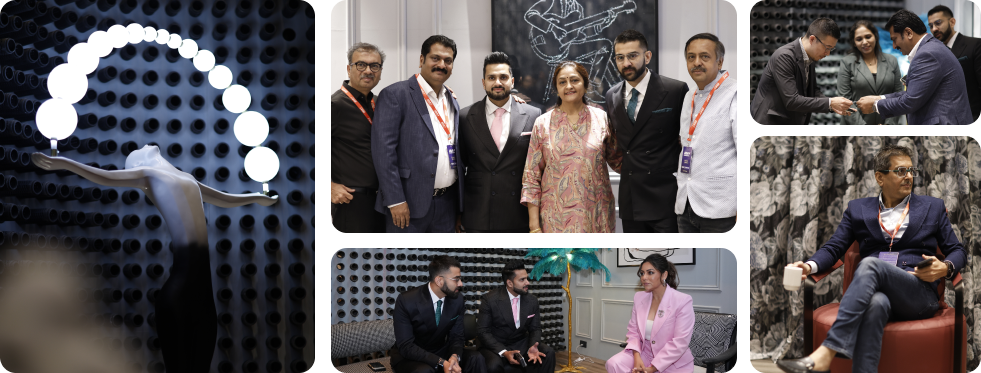
These trends are visible across major Architecture Exhibitions, construction trade shows, and platforms like iDAC Expo, which has become a key Architecture Event for professionals tracking where Indian construction is headed.
Let’s look at the building material trends that are defining Mumbai’s construction market in 2026.
1. Sustainable and Climate-Responsive Materials Take Centre Stage
Mumbai’s heat, humidity, monsoon exposure, and pollution are unforgiving. In 2026, material selection starts with one question: Will this survive Mumbai for the next 20 years?
This has led to a steady shift toward:
- Blended and low-carbon cement that performs better in coastal conditions.
- AAC blocks and lightweight masonry that reduce heat gain.
- Corrosion-resistant steel and treated metals.
- Exterior coatings designed specifically for high humidity.
At every major Construction Expo or construction exhibition in Mumbai, sustainability-focused materials dominate conversations. Architects attending an architecture conference in India or a design conference in India are now expected to understand carbon impact as well as structural integrity. This shift is also strongly reflected in discussions at Architecture Awards India and Indian Design Awards, where sustainability is no longer optional; it’s a judging criterion.
See what’s shaping Indian construction today
Attend the Event
2. Advanced Facade Materials for Vertical Urban Living
As Mumbai continues to build vertically, facade innovation has become one of the most dynamic material segments.
In 2026, developers are investing heavily in:
- Unitized curtain wall systems.
- High-performance glass with solar control.
- Fibre cement panels.
- Aluminium composite panels with fire ratings.
These materials balance durability, heat resistance, and visual appeal, critical factors in Mumbai’s skyline evolution. At every major Architecture Exhibition in Mumbai, facade systems attract serious attention, particularly from commercial developers and luxury residential architects.
3. Interior Materials That Balance Design and Durability
While solid wood remains expensive and environmentally sensitive, engineered wood products have taken over interior applications in 2026.
Popular choices include:
- Laminated veneer lumber (LVL)
- Engineered plywood
- Moisture-resistant MDF and HDF
- Hybrid wood-polymer panels
These materials are widely showcased at interior exhibition platforms, especially at an interior design exhibition in Mumbai or an exhibition for interior design. Interior designers attending an interior design conference now prioritise materials that combine aesthetics, durability, and ease of maintenance, especially for high-traffic urban homes.
4. Smart and Prefabricated Construction Materials
Time has become one of the most expensive materials in Mumbai. As a result, prefabricated and dry construction systems have moved firmly into the mainstream. Precast slabs, modular wall systems, lightweight partitions, and factory-finished components are now common on urban sites. These systems focus on the crucial advantages in a city where delays are costly by reducing construction time, minimizing on-site labour dependency, and improving quality consistency.
At major construction trade shows and Construction exhibitions in Mumbai, prefabrication is one of the fastest-growing categories, often featured prominently at large-scale Construction Expo platforms hosted at venues like the Bombay Exhibition Center, Mumbai.
Stay close to how design and construction are evolving
5. Fire-Safe and Regulation-Driven Materials
Post-pandemic regulations and updated fire safety norms have significantly influenced material selection in Mumbai.
In 2026, demand has surged for:
- Fire-rated doors and partitions.
- Non-combustible facade materials.
- Flame-retardant coatings and boards.
- Certified insulation systems.
These materials are frequently discussed at architecture conferences in India, forums, and featured heavily in compliance-focused Architecture Events. Winning recognition at architecture awards, interior design awards, India increasingly depends on how well projects balance safety with design innovation.
6. Premium Surface Materials for High-End Projects
While functionality dominates, premium surfaces still matter, especially in luxury residential, hospitality, and retail projects. Large-format porcelain slabs, engineered stone, terrazzo-style composites, and textured finishes are widely used to create visual impact without compromising durability. These materials are heavily featured at exhibitions for interior design events and interior design exhibitions in Mumbai, often becoming focal points for designers scouting ideas for upcoming projects.
Winning design awards in India or Indian design awards often hinges on how thoughtfully these materials are applied, not how expensive they are.
7. Innovation Through Exhibitions and Industry Platforms
A defining feature of Mumbai’s construction market in 2026 is how closely material innovation is tied to exhibitions and professional gatherings. Platforms such as iDAC Expo, also widely known as the Idac Exhibition, have become essential touchpoints for discovering new materials, technologies, and applications.
Whether it’s an Architecture Expo, an interior exhibition, or a large-scale exhibition in Mumbai, these events offer:
- Live product demonstrations.
- Material innovation showcases.
- Knowledge-sharing at Design Conference India forums.
- Exposure to global and Indian brands.
Events hosted at the Bombay Exhibition Centre continue to attract professionals searching for the next big material trend that delivers real industry value.
Final Thoughts
Mumbai’s construction market in 2026 is more mature, more demanding, and far more informed than it was even a few years ago. Building materials are no longer chosen just to meet budgets or deadlines. They are chosen to survive the city, comply with regulations, and support better design outcomes. From sustainability-focused systems to advanced facades, interior finishes, and prefabricated solutions, these trends are visible across every major construction exhibition, Architecture Exhibition in Mumbai, and platforms like iDAC Expo.
For professionals who stay engaged through architecture conferences, interior exhibitions, and design awards in India, one thing is clear: materials are no longer just components; they are strategic decisions shaping the future of Mumbai’s built environment.
Ready to explore the materials shaping Mumbai’s future?